How to Meal Prep for the Week: What to Cook for Habitual Success
By:Author:Air Diet Editorial
Updated on:October 20, 2026
- No, Batch Cooking One Sunday Won't Fix Your Whole Month
- The Mechanics Behind Why Weekly Prep Actually Holds Up
- What Changes Whether Weekly Prep Actually Sticks
- A Week of Prepped Meals Worth Copying
- Fitting Prep Into a Week That's Already Full
- When Weekly Prep Starts to Feel Automatic
- Where Weekly Meal Prep Usually Falls Apart
- Making Air Diet Part of Your Weekly Cooking Routine
- Turning One Prepped Week Into a Habit
Meal prepping for the week means cooking a batch of food in advance so the daily decision of what to eat is already made before hunger shows up. The mechanism is simple: decisions made when you're calm and fed hold up better than decisions made when you're tired and starving.
This works because it removes the moment where willpower is supposed to carry the day. Food is already cooked, portioned and waiting, so the only choice left is whether to heat it up.
This guide covers what meal prep can and can't do, how the mechanism actually works, a sample week to copy, where people usually quit, and the mistakes worth avoiding from the start.
No, Batch Cooking One Sunday Won't Fix Your Whole Month
The promise people want is one big cooking session that solves eating for weeks at a time. That's not how it works, and it's worth saying plainly: meal prep is a weekly habit, not a one-off event.
Food quality doesn't change because it was cooked in bulk, and no single Sunday session magically fixes a month of eating patterns. What meal prep actually does is lower the daily friction of eating reasonably, which matters far more over time than one heroic cooking day.
The honest version is less exciting but more useful: small, repeatable prep sessions beat one giant effort that burns you out by week two.
The Mechanics Behind Why Weekly Prep Actually Holds Up
Meal prep works on two separate levers. One is decision reduction, the other is portion control, and both matter on their own.
Decisions Made in Advance Stay Made
When food is already cooked, the only choice left at mealtime is whether to eat it, not what to cook, buy or order. That single shift removes most of the moments where tiredness or hunger leads to a quick decision that doesn't match the plan.
Portions Set Once Apply All Week
Dividing a batch into containers at the start of the week means portion sizes are fixed before appetite gets a vote. This matters because portion decisions made in the moment, especially when hungry, tend to run larger than ones made while measuring out a full batch.
What Changes Whether Weekly Prep Actually Sticks
Not every prep session leads to a week of eating well. Three things tend to decide it.
What Makes the Difference
- Repeating simple meals - a rotation of three or four meals you actually like beats a different recipe every day, because variety adds decision load right back in
- Matching portions to real appetite - containers that match how much you actually eat prevent the swing between leftovers going to waste and reaching for extra food
- Picking cooking methods that scale - a method that handles a full tray at once, like batch cooking, saves more time than cooking components separately on the hob
A Week of Prepped Meals Worth Copying
Here's what one realistic week of prep looks like, built around repeating a small number of meals rather than cooking something new every day.
A Sample Prep Week
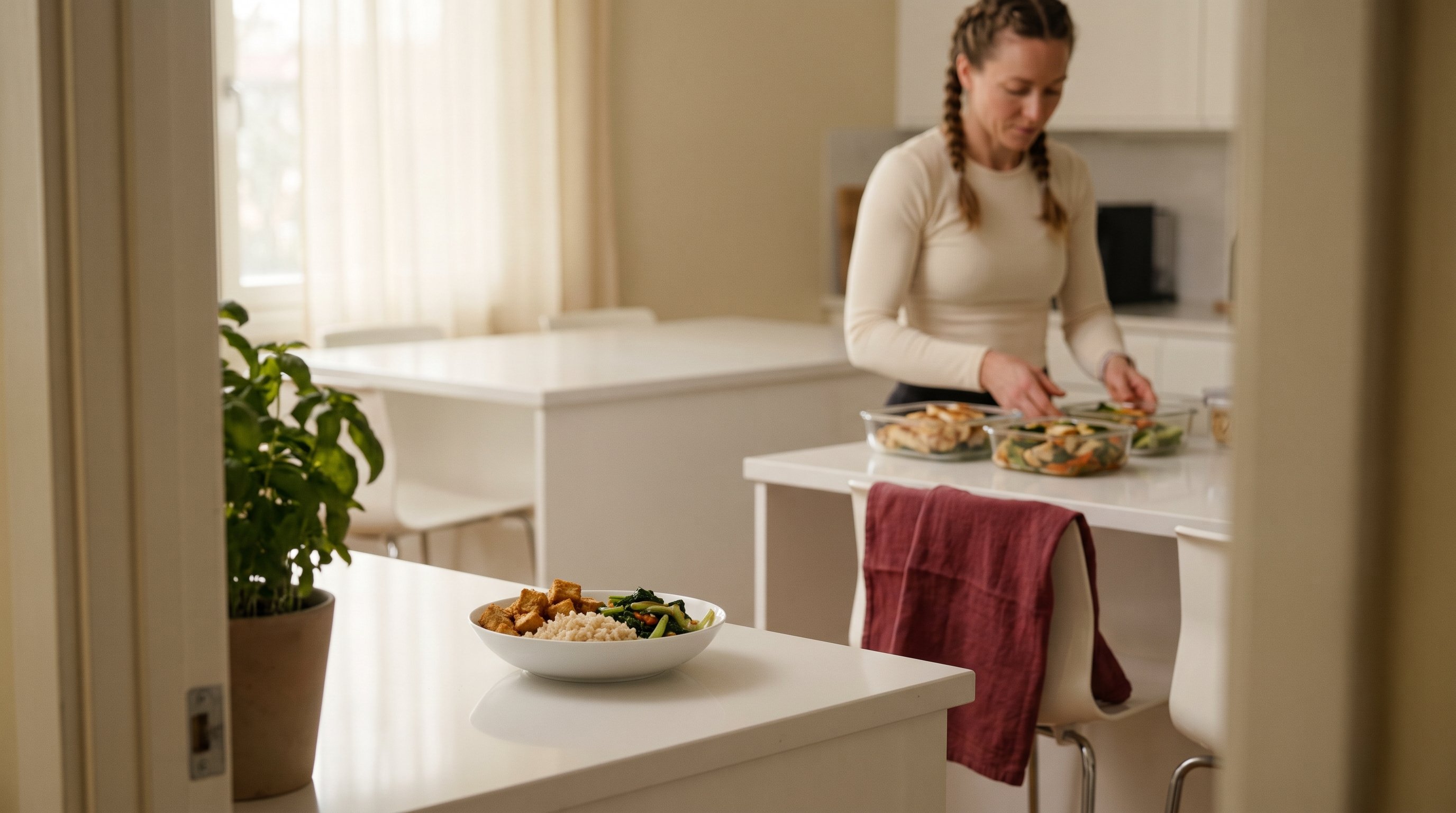
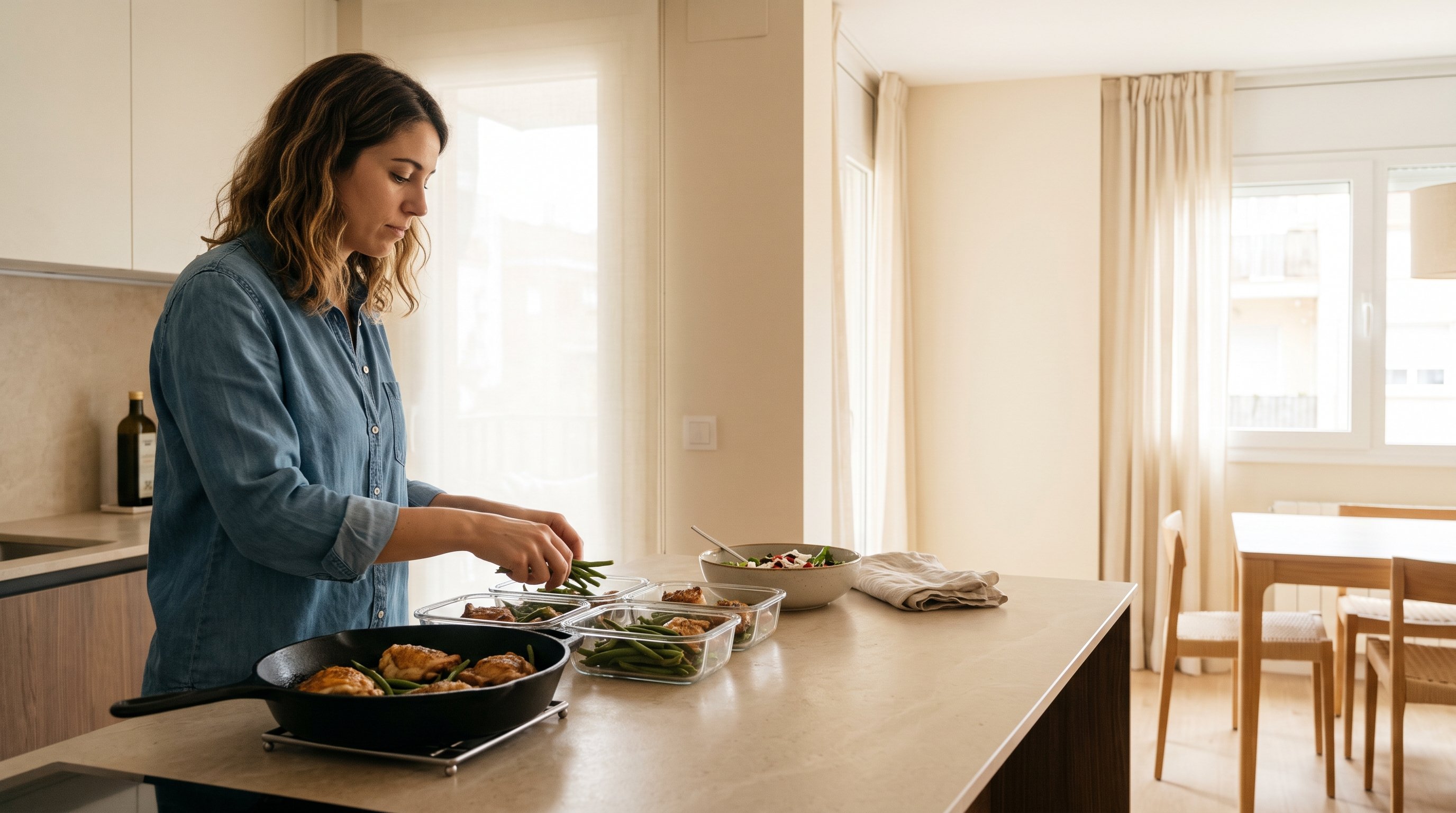
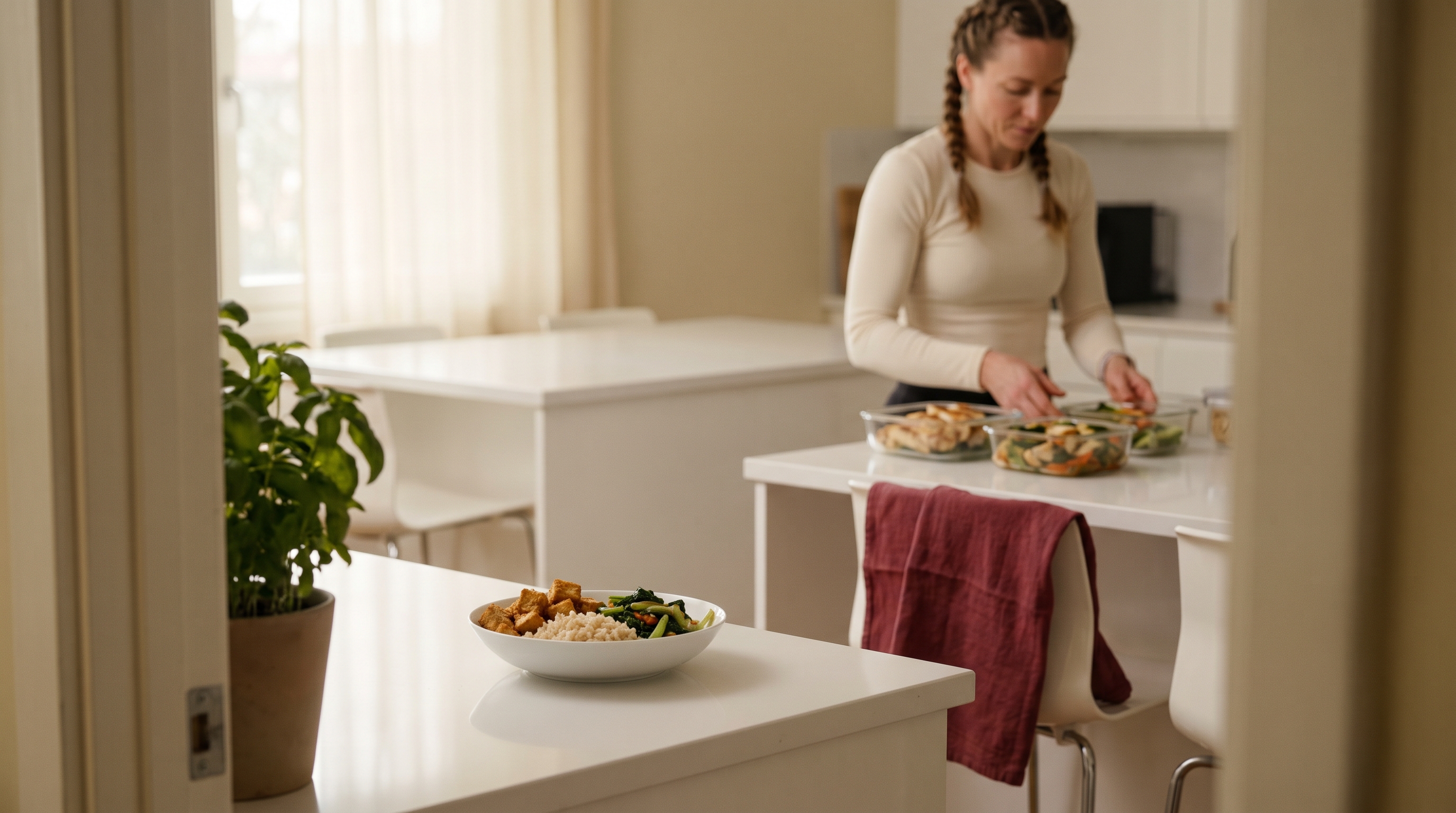
- Sunday - cook a large batch of protein, a batch of roasted vegetables and a grain, then divide into containers for the first half of the week
- Monday to Wednesday - reheat the prepped containers for lunch and dinner, swapping sauces or seasoning to keep meals from feeling repetitive
- Wednesday evening - a short second cooking session to refresh vegetables and cook a new protein batch for the back half of the week
- Thursday to Saturday - reheat the second batch, with one evening left open for a fresh meal or eating out without derailing the week
Fitting Prep Into a Week That's Already Full
Most weeks don't have a spare three hours sitting around waiting to be filled with cooking. The fix isn't finding more time, it's cutting the planning step down to something that takes minutes instead of an evening.
A meal plan built around food you already like removes the part where you stand in front of the fridge trying to invent a week's worth of meals from scratch. Using a recipe library with over 1,000 recipes, so the prep list is already decided and the cooking method stays consistent across the whole batch.
That consistency is what makes a second or third week of prep easier than the first, because you're not relearning the process every time.
When Weekly Prep Starts to Feel Automatic
The first week or two of prepping usually feels like extra work, because you're learning container sizes, cooking times and what actually reheats well. That's normal, and it tends to ease once you've repeated the same two or three meals a couple of times.
The point where most people quit is somewhere around the third or fourth week, usually because the meals got boring or the Sunday session ran too long. Keeping the rotation small and the cooking method simple is what gets people past that point rather than back to ordering takeaway.
There's no fixed date where prep suddenly becomes effortless, but it does get faster the more weeks you repeat it.
Where Weekly Meal Prep Usually Falls Apart
Cooking Too Many Different Dishes at Once
Trying to prep five different recipes in one session turns a simple task into a full afternoon in the kitchen. Pick two or three meals and repeat them, then rotate in something new the following week.
Prepping More Food Than You'll Actually Eat
Cooking a week's worth of food based on hope rather than appetite leads to containers sitting unopened by Friday. Prep to match how much you've actually been eating, not an ambitious version of your appetite.
Skipping the Reheating Step Entirely
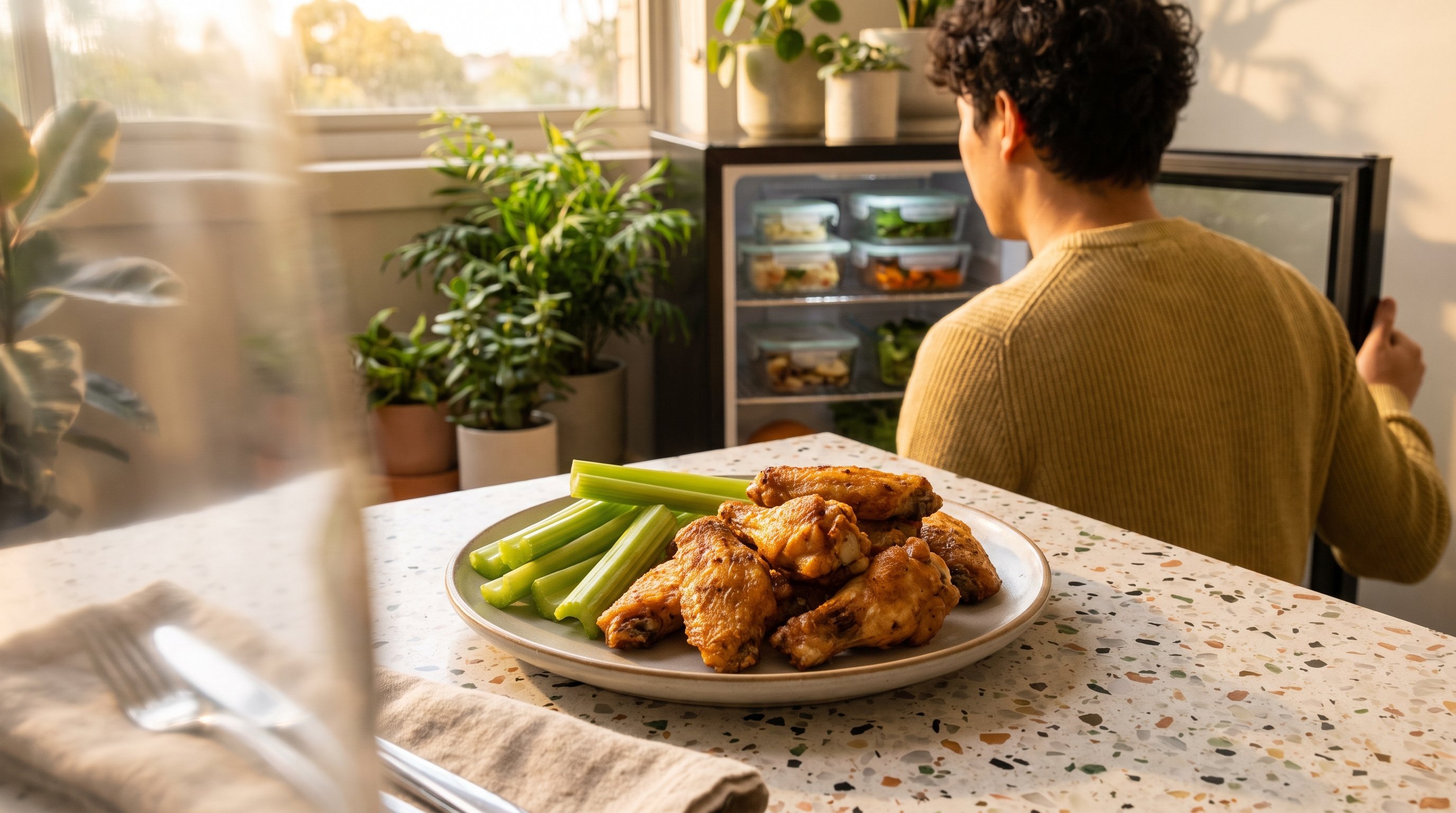
Food that looks fine cold but reheats badly gets left in the fridge and replaced with something quicker. Choose meals that hold up in a microwave or oven, not ones that only taste good fresh.
Treating One Big Session As the Whole Plan
A single long cooking day without a plan for the second half of the week leaves a gap right when the first batch runs out. Splitting prep into two shorter sessions keeps meals fresher and the workload lighter.
Ignoring What You Actually Like Eating
Prepping meals because they sound healthy rather than because you'll want to eat them leads to containers getting skipped. Prep food you'd choose anyway, and the week holds together on its own.
Making Air Diet Part of Your Weekly Cooking Routine
Meal prep sticks best when the recipe decision is already made and the cooking method is consistent, which is exactly the gap this platform is built to close.
Air Diet pairs a tailored plan with a library of over 1,000 air fryer recipes, so weekly prep doesn't start from a blank page. Progress tracking for water, steps and weight sits alongside the meal plan, and the lifestyle challenges give you a reason to keep the rotation going past the first couple of weeks.
Get Your Diet Plan
Eat Smarter Every Day
Turning One Prepped Week Into a Habit
The best week to start is the next one, not the perfect one. Pick two meals, cook enough for four days, and see how much easier the week feels with the decision already made.
Using a recipe plan can take over the recipe-picking part, so the only job left each week is cooking and portioning, which is the part that actually builds the habit.
FAQ
Meal prep doesn't change food on its own, but it makes it easier to stick to a reasonable portion day after day instead of improvising under hunger. That consistency is what tends to matter more than any single meal choice.
Repeating a small rotation of meals is a choice, not a requirement, and swapping sauces or sides keeps the same base ingredients from feeling repetitive. Most people settle on two or three go-to meals and rotate a new one in every week or so.
Splitting prep into two shorter sessions across the week, rather than one long Sunday marathon, fits into a busier schedule more easily. Air Diet builds a meal plan already around a small set of recipes, which also cuts the planning step down to almost nothing.
It's usually boredom or over-ambition, cooking too many dishes or too much food, that causes people to quit. Keeping the rotation small and matching portions to real appetite is what keeps the habit going past the first month.
Share this post