12-3-30 Workout: Fitting It Into Real Life for Solid Results
By:Author:Air Diet Editorial
Updated on:October 20, 2026
- A Week of Incline-Walking Sessions Worth Copying
- How Many Incline-Walking Sessions Fit a Normal Week
- Why an Incline Walk Beats a Harder Running Plan
- Slotting Incline Walking Into a Packed Schedule
- Adapting Incline Walking for Different Starting Points
- When Incline-Walking Habits Usually Start to Slip
- Making Space for Incline Walking With Air Diet
- Turning One Incline Walk Into a Lasting Routine
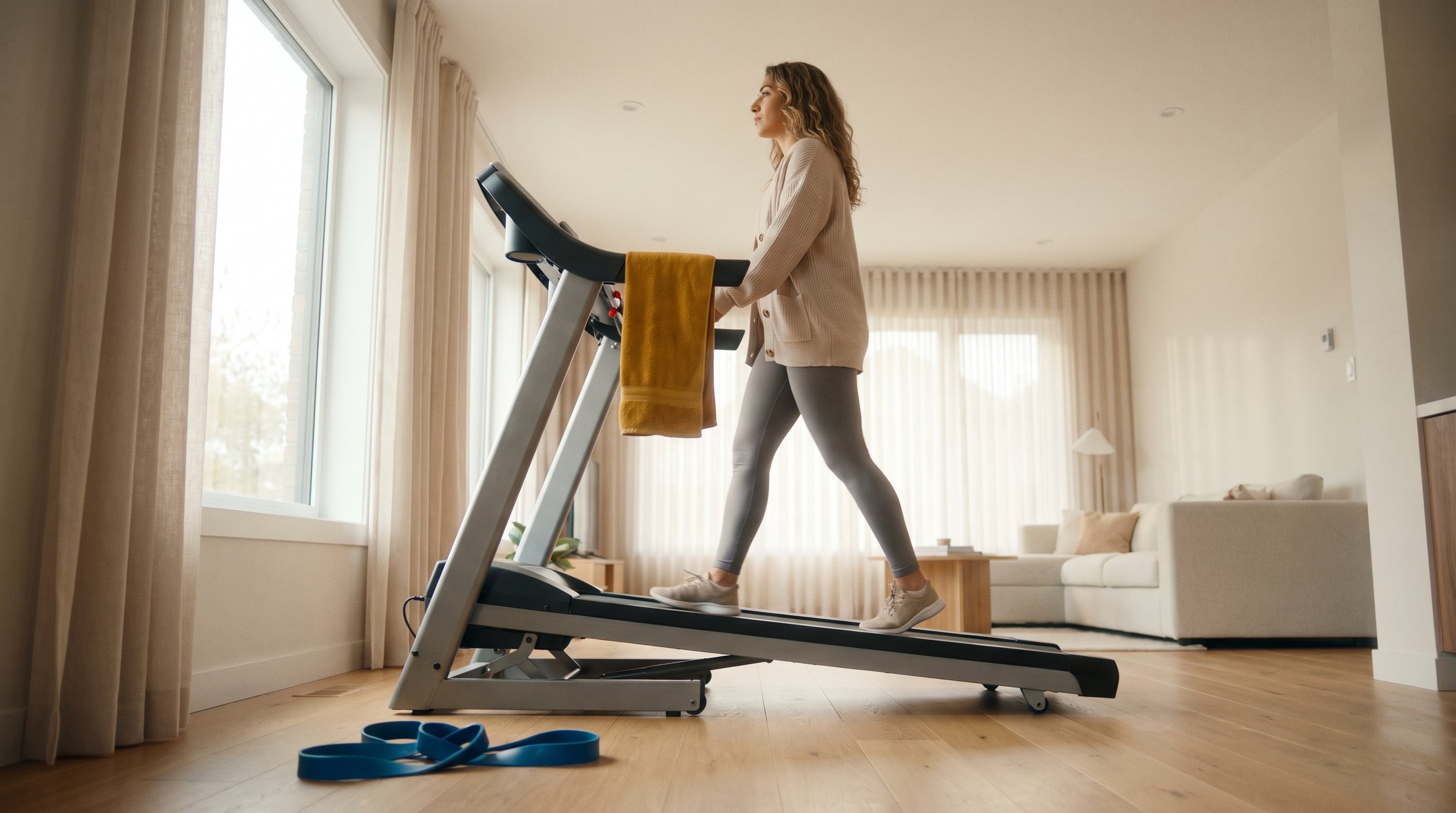
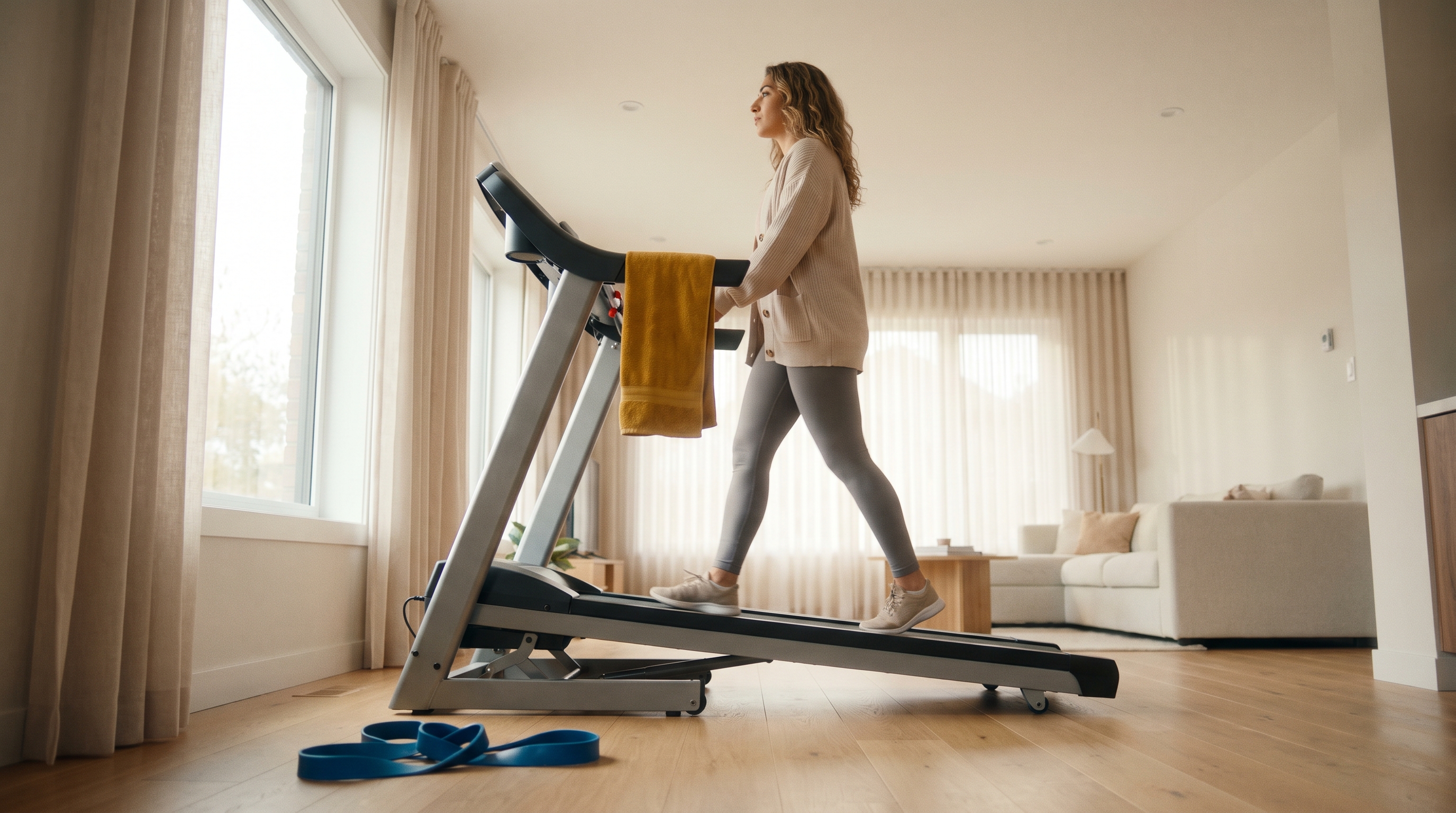
A 12-3-30 workout is a treadmill session with three adjustable components: incline level, walking speed in miles per hour, and duration in minutes. That's the whole thing - no intervals, no equipment beyond a treadmill, no complicated plan.
Walking uphill at an incline takes more effort than walking on flat ground at the same speed, because you're lifting your own bodyweight with every step. Thirty minutes of that adds up to a solid session without the joint strain that comes with running.
This guide covers what a week with this incline walk actually looks like, how to adjust the numbers when they feel too hard, who it suits, and how to keep it going past the first fortnight.
A Week of Incline-Walking Sessions Worth Copying
Here's a realistic week for someone starting out, mixing incline sessions with rest and lighter movement so the body gets a chance to adapt.
A Sample Starter Week
- Monday - full incline session, or a reduced incline version if it's your first week
- Tuesday - rest or a short easy walk outdoors
- Wednesday - incline session
- Thursday - rest or light stretching
- Friday - incline session
- Weekend - one optional session, otherwise rest
How Many Incline-Walking Sessions Fit a Normal Week
Finding a Sustainable Frequency
Three sessions a week is a sensible starting point, leaving rest days between most of them so your legs recover.
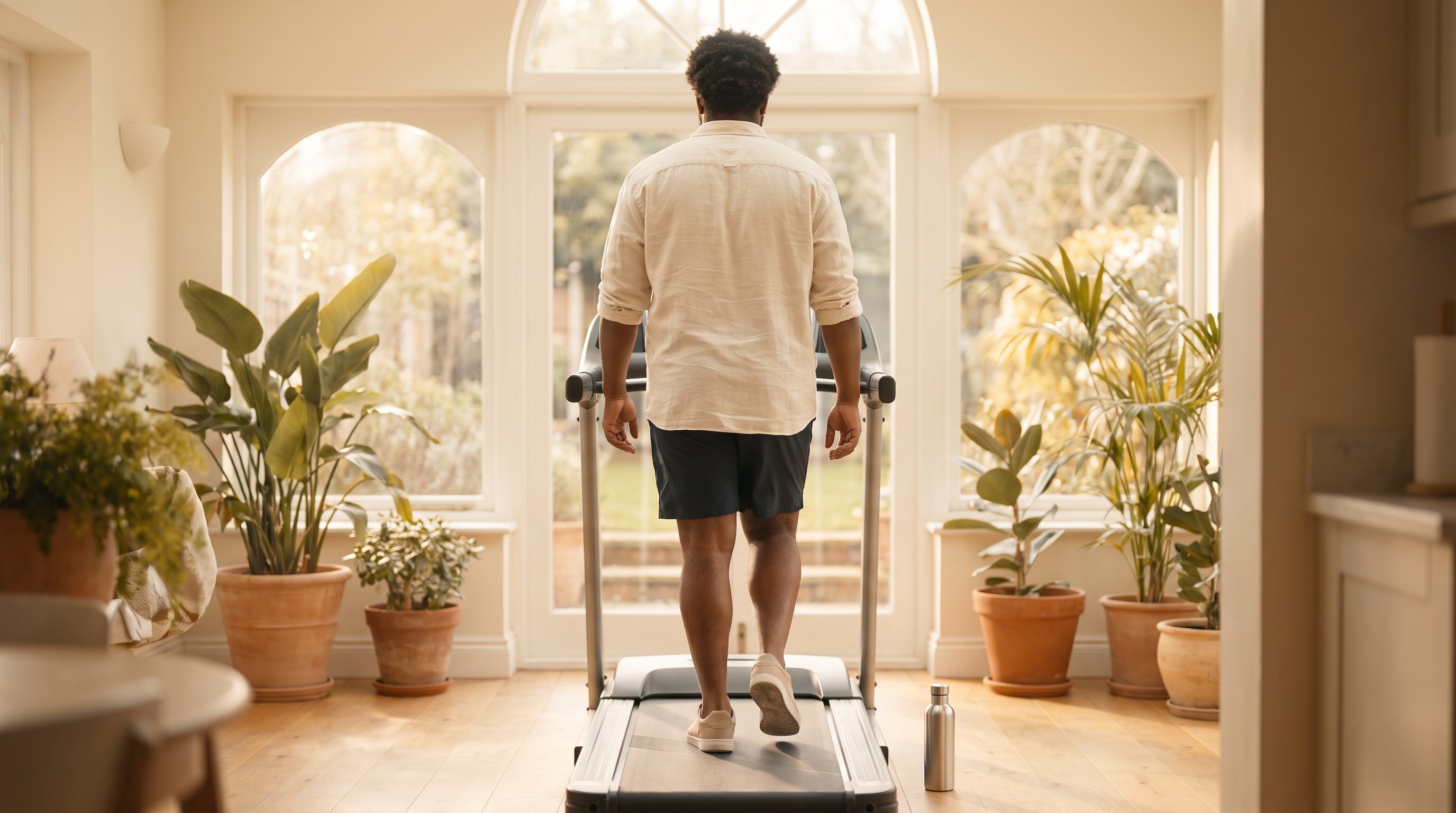
The starting recommendation uses specific numbers as a starting point, not a rulebook. Once three sessions feel manageable, some people add a fourth; others stay at three indefinitely and that's fine.
| Stage | Sessions per Week | Incline Level |
|---|---|---|
| Week one | 2 sessions | Lower incline |
| Week two to three | 3 sessions | Moderate incline |
| Week four onward | 3-4 sessions | Higher incline |
| Maintenance | 3 sessions | Target incline |
Why an Incline Walk Beats a Harder Running Plan
Compare an incline walk to a running interval plan: both can raise your heart rate and build fitness, but one of them is far easier to show up for five weeks in.
Running intervals demand more recovery, carry a higher injury risk for beginners, and feel harder to start on a tired day. An incline walk asks less of your joints and your motivation, which is exactly why people stick with it.
A workout you actually do three times a week beats a harder one you do once and then avoid. That's the whole case for steady incline walking - it's not about being superior, it's about being repeatable.
Slotting Incline Walking Into a Packed Schedule
Thirty minutes on a treadmill is easy to picture but harder to protect once work, family or errands crowd the day.
Treating it like a fixed appointment - same three slots each week, written down somewhere - makes it less likely to get bumped by whatever comes up.
Air Diet's progress tracking can hold your step counts and workout log alongside water and weight, so the incline sessions sit in the same place as everything else you're keeping an eye on.
Seeing all of it together - meals, movement, water - makes it easier to notice patterns, like which days you skip sessions and why.
Adapting Incline Walking for Different Starting Points
Complete Beginners
If a high incline feels brutal in week one, start lower and build the gradient gradually - the goal is a session you finish, not one you abandon halfway through.
Busy Schedules
If thirty-minute blocks are hard to find, two shorter sessions of fifteen minutes still add up across the day and keep the habit alive.
Older Adults
Lower incline and a slower pace still deliver the uphill effort without the strain, and the handrails on most treadmills offer a steady point of balance.
Returning After a Break
Start back at the incline and pace you used weeks ago rather than where you left off, since fitness built on an incline walk fades gradually without regular use.
When Incline-Walking Habits Usually Start to Slip
How you build the routine matters more than reaching the target incline on the first session. Most people drop off not because the workout is too hard, but because they jumped straight to the highest numbers and felt wrecked by session three.
Expect the first couple of weeks to feel like an adjustment - the goal early on is just finishing the session, not chasing a result on the scale. Once the routine feels normal, the actual effort becomes easier to judge and adjust.
Making Space for Incline Walking With Air Diet
A treadmill session only does so much if the rest of the day works against it, which is where the food side of things matters just as much as the walk.
Air Diet pairs a meal plan built around food you already like with its library of workouts, so the walking habit sits next to a way of eating that doesn't feel like punishment.
Over 1000 air fryer recipes and 100+ workouts and exercises mean the plan can flex around an incline routine instead of competing with it, and the challenges feature gives you something small to aim for between sessions.
Get Your Diet Plan
Eat Smarter Every Day
Turning One Incline Walk Into a Lasting Routine
Pick one day this week to try a reduced version of incline walking - lower the incline if you need to, keep the thirty minutes, and see how it feels.
Air Diet can hold that session alongside your meals and water intake, so the habit has somewhere to live instead of getting forgotten after a good first week.
FAQ
Uphill walking burns more effort than flat walking at the same speed, which supports a calorie deficit when paired with how you eat. No single workout decides the outcome on its own.
At an incline and a steady pace, it's working your legs and heart more than flat walking ever will, even though it looks gentle from the outside. The effort is in the incline, not the speed.
A steep outdoor hill or a stepper machine can approximate the same uphill effort if a treadmill isn't available. The exact incline percentage matters less than finding a surface that makes your legs work.
Starting at the highest incline before the body is ready is the most common reason people stop. Air Diet's tracking tools can help you log sessions gradually and notice progress even while the incline is still low.
Share this post