Cheap Meal Prep Ideas: What to Cook to Save Time
By:Author:Air Diet Editorial
Updated on:October 20, 2026
- A Budget-Friendly Week Worth Copying
- How Much to Cook in One Session
- Why Batch Cooking Beats Daily Takeout Runs
- Making Cheap Meal Prep Fit a Busy Household
- Who Cheap Meal Prep Actually Works Best For
- Where Cheap Meal Prep Usually Falls Apart
- Cooking Cheap Meal Prep Around an Air Diet Plan
- Keeping Cheap Meal Prep Going Past the First Month
Cheap meal prep comes down to a handful of base ingredients cooked in bulk, then mixed and matched across the week so nothing tastes repetitive.
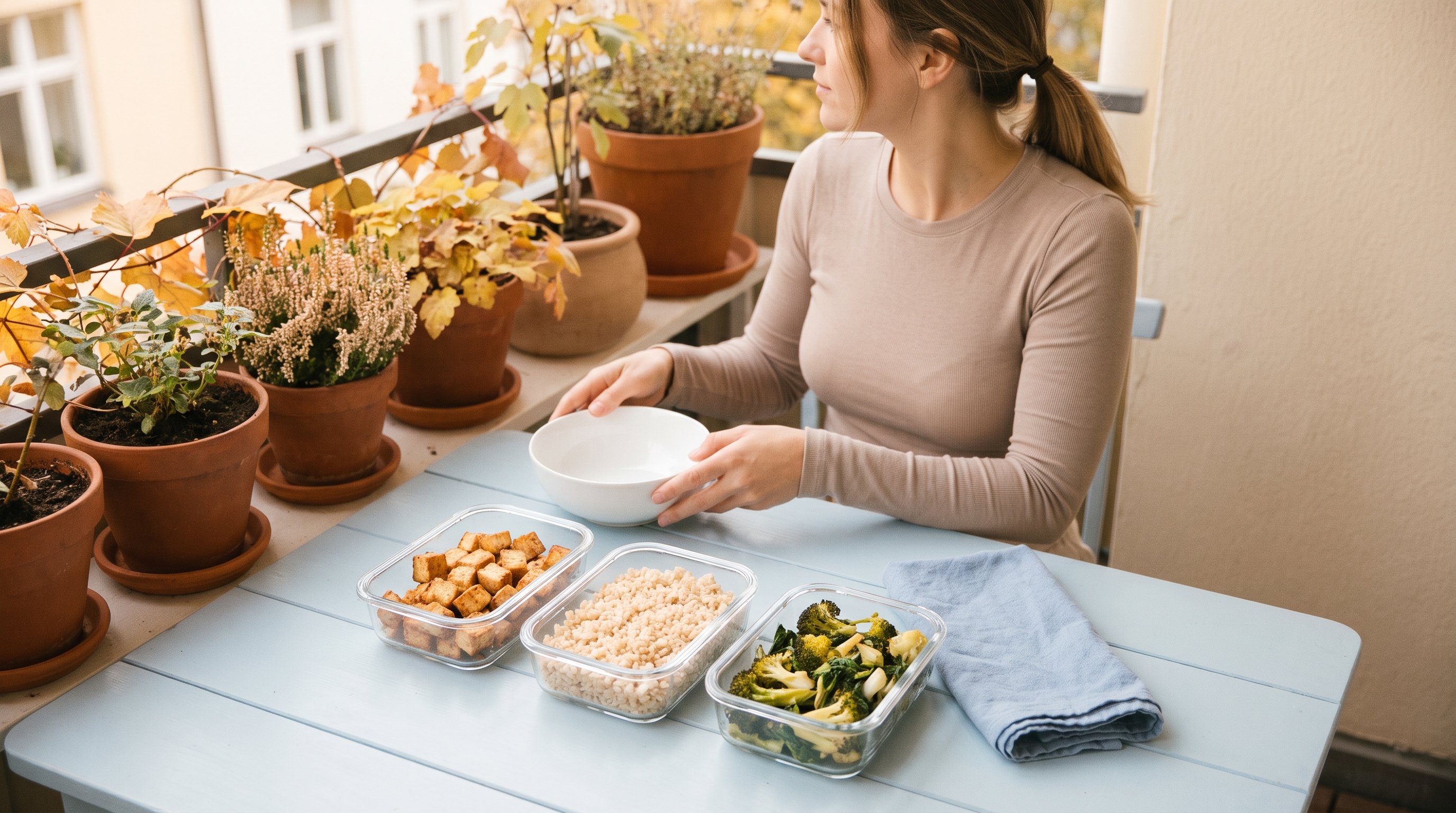
It works because batch-cooked staples - grains, beans, roasted vegetables, cheap cuts of protein - cost less per serving and take one cooking session instead of five.
This guide covers a sample week worth copying, how much to cook at once, why it beats cooking fresh every night, and how to keep the habit going once the novelty wears off.
A Budget-Friendly Week Worth Copying
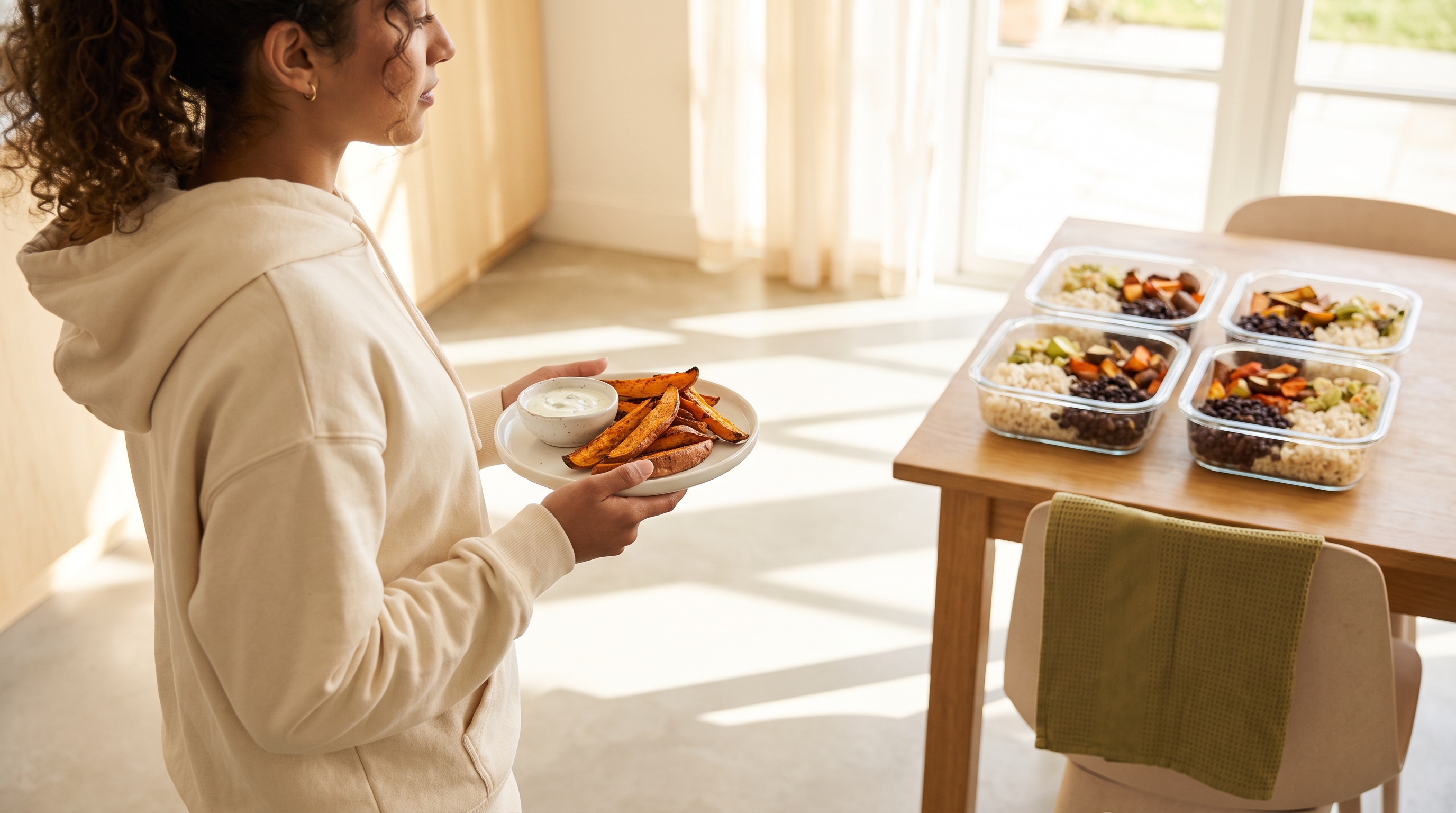
A cheap prep week usually rotates around two or three base proteins, two grains or starches, and whatever vegetables are cheapest that week.
A Sample Week Built From Basics
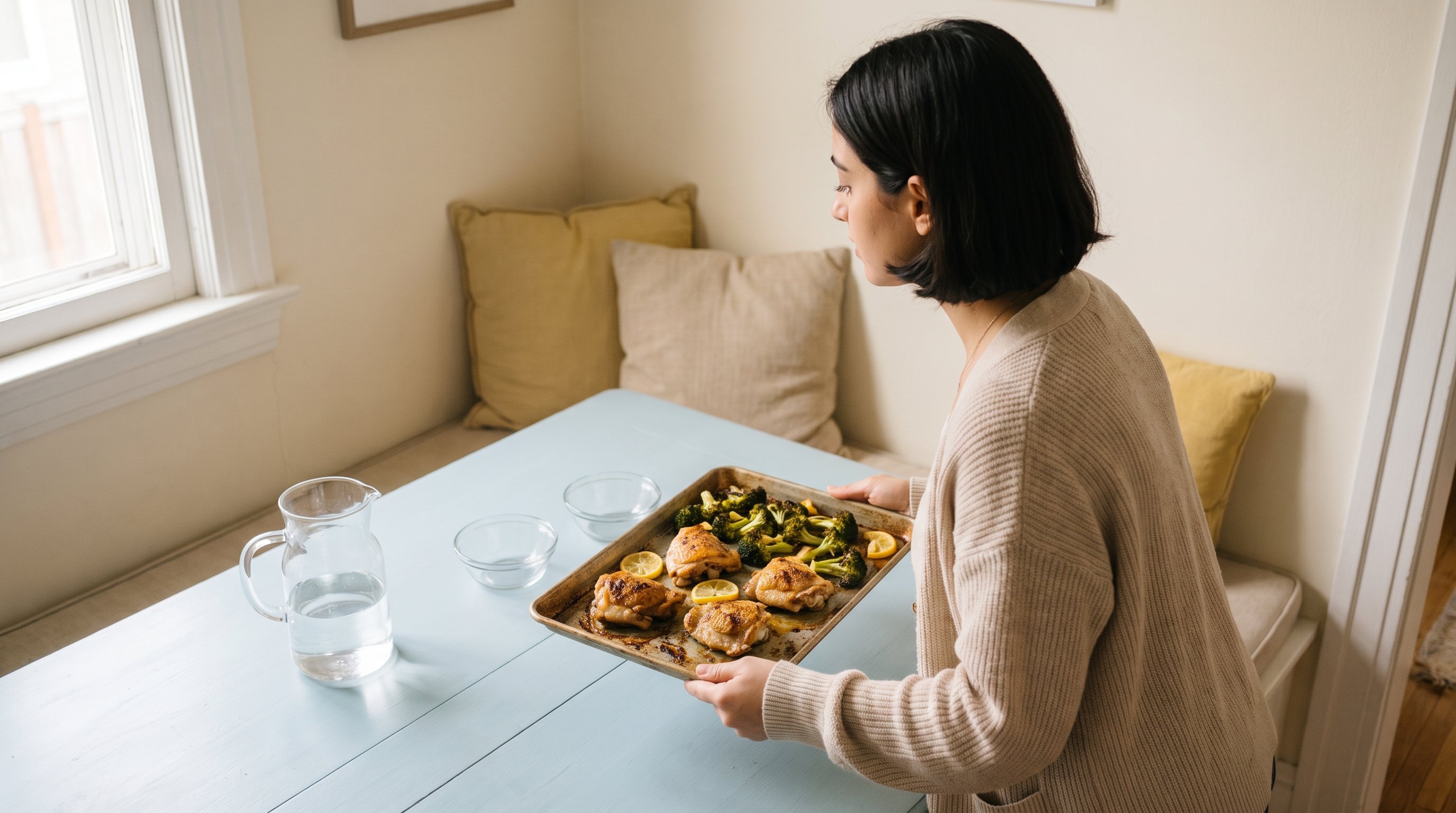
- Monday to Wednesday - rice, roasted chicken thighs, and a tray of mixed vegetables split into containers
- Thursday to Friday - lentils or beans swapped in for protein, same rice base, different sauce
- Weekend lunch - eggs and leftover vegetables turned into a quick frittata-style tray bake
- Snacks - boiled eggs, oats made in bulk, and fruit bought by the bag rather than individually
The point isn't variety for its own sake. It's having enough overlap that one shopping list and one or two cooking sessions cover most of the week.
How Much to Cook in One Session
Batching by the Container, Not the Recipe
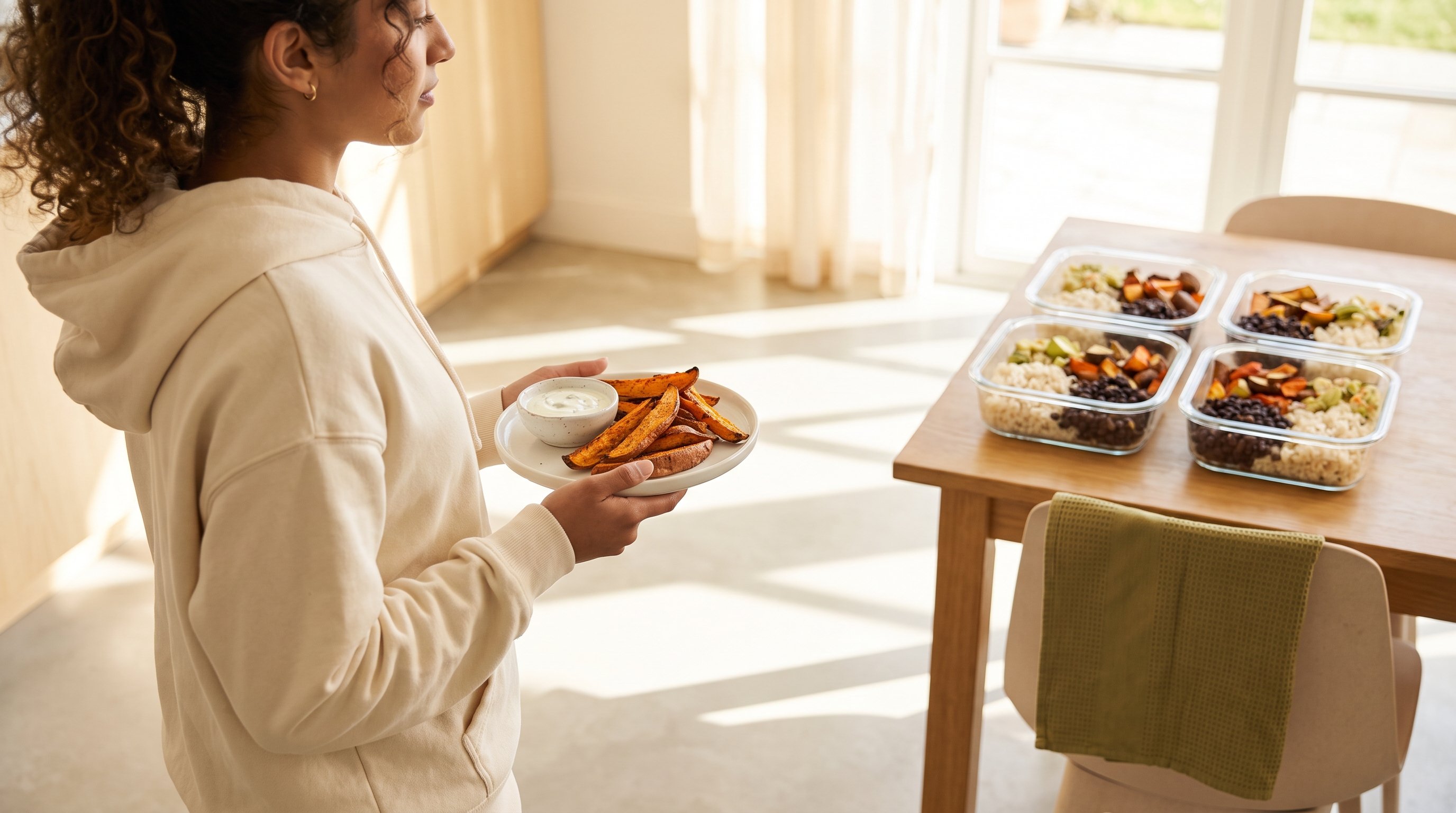
Instead of thinking in recipes, think in containers: decide how many lunches and dinners need covering, then cook enough base ingredients to fill that many boxes.
Most people land somewhere between four and ten prepped meals a week, depending on how many meals they already eat out or skip.
| Goal | Servings Needed | Cooking Sessions |
|---|---|---|
| Lunches only | 5 per week | One batch cook |
| Lunches and dinners | 10 per week | One or two batch cooks |
| Family of two | 14-20 per week | Two batch cooks |
| Snacks and breakfasts | 7-10 per week | Added to main cook |
Why Batch Cooking Beats Daily Takeout Runs
The honest comparison is batch cooking rice, beans and roasted vegetables once or twice a week versus buying lunch or a takeaway meal most days.
Cooking in bulk spreads the cost of a bag of rice, a tray of chicken or a bag of dried beans across many servings, so each portion ends up cheaper than a single bought meal.
Takeout wins on convenience in the moment, but it asks for a decision every single day, and decisions are exactly what run out by Thursday.
Batch cooking removes the daily decision. The food is already made, so the only choice left is reheating it.
Making Cheap Meal Prep Fit a Busy Household
Cheap meal prep only works if it slots into a schedule that already exists rather than adding a new weekly chore.
Picking one fixed slot - a Sunday afternoon, a quiet weeknight - keeps it from competing with everything else going on.
This is where a meal plan built around food you already like matters, since a meal planning tool turns a short list of staples into a plan that still feels varied across the week rather than repetitive.
An air fryer helps here too: a single basket run on vegetables or chicken thighs needs no extra oil and barely any monitoring, so prep day shrinks instead of growing.
Who Cheap Meal Prep Actually Works Best For
If You're Cooking for One
Single-person households often waste more food than they save, so smaller batches of two or three staples beat cooking a huge tray that goes stale before it's finished.
If You're Short on Time
Pick one protein and one starch for the whole week rather than trying to cook three different meals; fewer decisions means less time standing at the stove.

If You're Feeding a Family
Cooking double portions of whatever's already on the menu - one tray becomes two - keeps the grocery list familiar while still cutting the number of cooking sessions in half.
If You're New to Cooking in Bulk
Start with ingredients that reheat well, like rice, beans and roasted vegetables, and avoid anything with a sauce that separates in the fridge until the habit feels steady.
Where Cheap Meal Prep Usually Falls Apart
The first couple of weeks of cheap meal prep usually feel like a project: new containers, a longer shopping list, an unfamiliar Sunday routine.
That feeling tends to fade once the same two or three base meals start repeating and the shopping list gets shorter rather than longer.
The drop-off point is usually boredom with the same flavours, not the cooking itself, so swapping sauces or spice mixes week to week keeps the same base ingredients from feeling stale.
Cooking Cheap Meal Prep Around an Air Diet Plan
A plan that already tells you what to cook and when removes a lot of the guesswork that makes cheap meal prep feel like extra admin.
Air Diet builds its meal plans around air fryer recipes, which fits naturally with cheap meal prep since one basket of vegetables or chicken can be portioned straight into containers.
Alongside the meal plan, the app's progress tracking keeps water, steps and weight in one place, so the food side of the week isn't the only thing being managed.
Get Your Diet Plan
Eat Smarter Every Day
Keeping Cheap Meal Prep Going Past the First Month
The easiest way to keep cheap meal prep going is to stop treating it as a one-off project and start treating it as a standing grocery list that barely changes week to week.
Pick one cooking slot, keep two or three base ingredients on repeat, and let a meal planning app handle the rotation so the only decision left each week is which sauce to add.
FAQ
Rice, dried or tinned beans, eggs, oats and seasonal vegetables tend to cost the least per serving and hold up well after cooking. Chicken thighs are usually cheaper than chicken breast and work just as well in a batch cook.
The base ingredients repeat, but sauces, spice mixes and sides can change every few days without adding much cost. Rotating two or three flavour profiles across the same rice-and-protein base keeps meals from feeling identical.
Cheap meal prep doesn't require one marathon session; cooking a double batch of whatever's already planned for dinner covers the next day's lunch with almost no extra effort. Air Diet's meal plans are built around that kind of overlap so prep stays short.
Most people quit when the food starts tasting repetitive rather than because the cooking itself got harder. Keeping two or three sauce or spice options on rotation, and swapping which vegetable gets roasted, is usually enough to keep it going.
Share this post