Foods That Boost Metabolism: What Works in Practice
By:Author:Air Diet Editorial
Updated on:October 20, 2026

- Can Food Choices Actually Boost Metabolism?
- How Protein and Fibre Actually Move the Needle
- How Often to Eat Metabolism-Friendly Foods
- Why Food Swaps Beat Extreme Metabolism Hacks
- Fitting Metabolism-Friendly Foods Into a Busy Week
- No, No Food Melts Fat From One Spot
- What Actually Changes the Result Here
- Mistakes That Undercut a Metabolism-Focused Plate
- Making Metabolism-Friendly Eating Simple With Air Diet
- Keeping a Protein-And-Fibre Pattern Going Long Term
Some foods do nudge metabolism up a little, mostly because digesting protein costs more energy than digesting fat or refined carbs. The effect is real but small, and no single food changes the number on the scale by itself.
The mechanism is called the thermic effect of food - the energy your body spends breaking down what you eat. Protein costs more to process than carbs or fat, and that's the whole basis for calling some foods metabolism boosters.
This guide covers what actually happens when you eat these foods, how often to include them, why the easier route beats the extreme one, and where people usually trip up.
Can Food Choices Actually Boost Metabolism?
Yes, in a small and honest way. Digesting food takes energy, and protein-rich foods take more of it than fat or refined carbs, so swapping some of your plate toward protein does raise the energy you spend digesting.
Here's the arithmetic. Protein typically costs more energy to digest than carbs or fat, per gram of calories consumed, which is why a higher-protein meal burns a bit more just in processing than an equivalent meal of refined carbs.
That difference is measured in tens of calories across a day, not hundreds. It's worth having, but it's not going to outweigh what you eat overall - the total calories in your day still do most of the work.
How Protein and Fibre Actually Move the Needle
Protein's Digestion Cost
Protein needs more enzymatic work to break down into amino acids than carbs or fat need to break down into their simpler forms. That extra processing step is where the small calorie cost comes from, and it's consistent meal after meal.
Fibre's Slower Burn
Fibre-rich foods take longer to digest and keep you fuller for longer, which doesn't speed up metabolism directly but does make it easier to eat less later. Less food eaten without effort is still a win for the overall deficit.
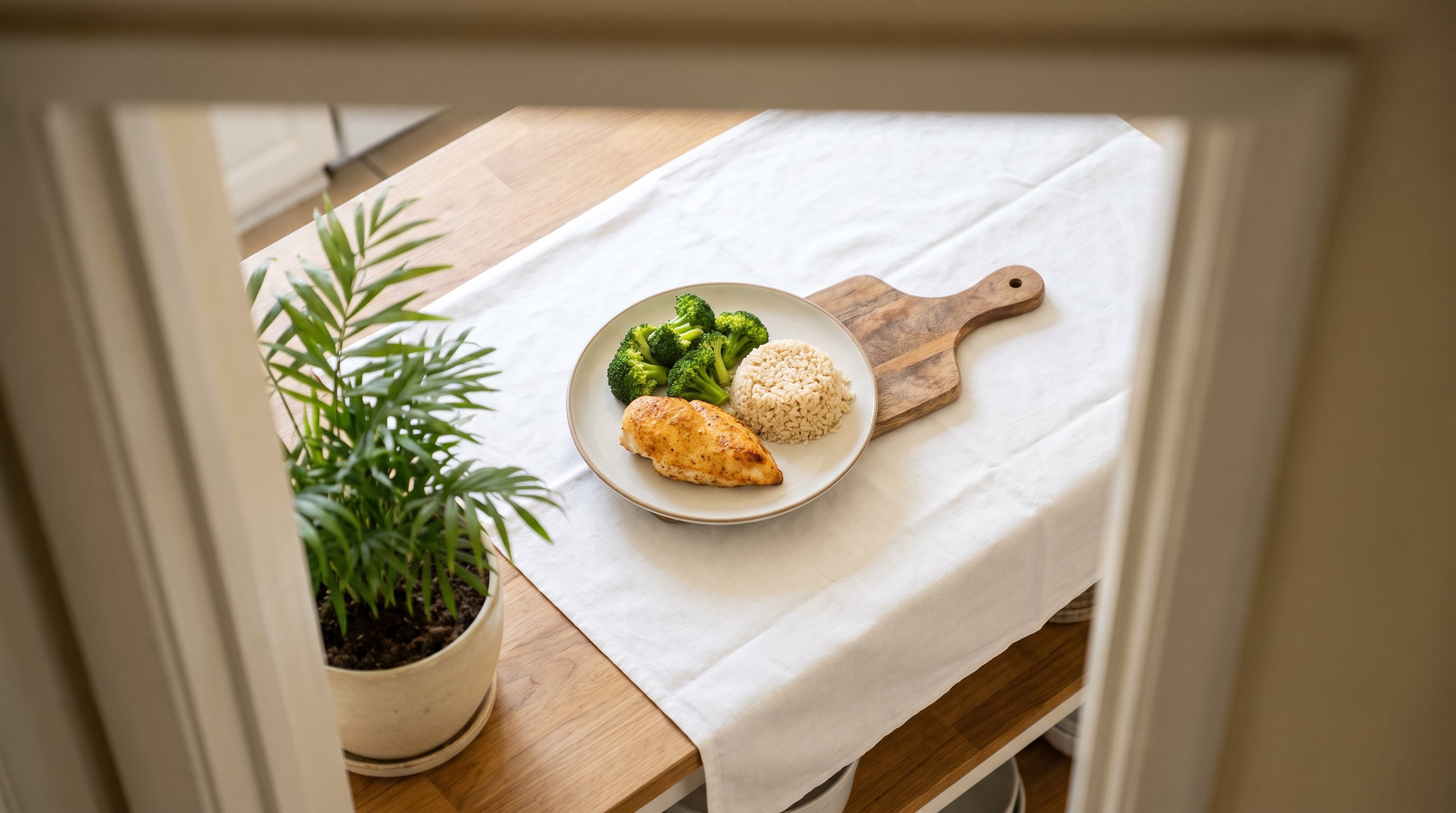
Put those two together and you get a plate that costs a little more to digest and keeps hunger quieter for longer. Neither one melts anything away on its own - they just make the day's numbers slightly easier to hold.
How Often to Eat Metabolism-Friendly Foods
Building Protein and Fibre Into Each Meal
The practical approach is to include a protein source and a fibre source at most meals, rather than hunting for one magic ingredient. Consistency across the week matters more than any single dish.
| Meal | Protein Option | Fibre Option |
|---|---|---|
| Breakfast | Eggs or yoghurt | Oats or berries |
| Lunch | Chicken or beans | Mixed greens |
| Dinner | Fish or tofu | Roasted vegetables |
| Snack | Cottage cheese | Apple with skin |
There's no need to hit every box every day. Getting most of these in most days is enough to feel the fullness benefit and keep the small digestion-cost advantage working for you.
Why Food Swaps Beat Extreme Metabolism Hacks
There's always a version of this topic sold as extreme - cutting entire food groups, fasting for long stretches, or chasing supplements that claim to supercharge metabolism. Those approaches are hard to sustain and usually collapse within weeks.
Swapping some meals toward protein and fibre is a smaller ask. It fits into food you already cook, it doesn't require giving anything up entirely, and that's exactly why it tends to stick when the extreme version doesn't.
Adherence beats intensity almost every time. A modest swap kept for months adds up to more than a strict rule broken after a fortnight.
Fitting Metabolism-Friendly Foods Into a Busy Week
The hardest part isn't knowing which foods help - it's cooking them on a Tuesday night when you're tired and the easy option is something fried and forgettable.
This is where a meal plan built around food you already like makes a real difference, because the protein and fibre are already worked into the recipe instead of something you have to remember to add.
Air fryer cooking makes protein-forward meals quick enough to actually happen on a weeknight, rather than staying a good intention.
No, No Food Melts Fat From One Spot
This is the promise people want: a food or drink that targets a specific area, or revs metabolism so hard that fat disappears overnight. It doesn't work that way, and no food brief supports that claim.
The body doesn't let you choose where it draws energy from, and no spice, tea or supplement changes that. What actually happens is slower and less dramatic - a small digestion-cost edge, a bit more fullness, and a deficit that's easier to sustain.
The honest answer is that these foods support a sustainable deficit. They don't replace it.
What Actually Changes the Result Here
Three things decide whether this approach does anything for you, and they're ranked by how much they actually matter.
The Factors That Matter Most
- Total calories across the week - the thermic effect of protein is small, so it only helps if the rest of your eating isn't working against it.
- Protein at most meals, not just one - a single high-protein dinner doesn't do much if every other meal is refined carbs and fat.
- Fibre for fullness, not for speed - the point of fibre is eating less without a fight, which supports the deficit indirectly.
Mistakes That Undercut a Metabolism-Focused Plate
Chasing a Single Superfood
Pinning hopes on one ingredient - a spice, a tea, a supplement - ignores that the effect of any single food is small. Spread the effort across protein and fibre at most meals instead of one hero ingredient.
Adding Protein Without Cutting Anything Else
Stacking a protein shake on top of an unchanged diet adds calories rather than replacing them. Swap, don't just add - let the protein source replace a portion of the lower-value food.

Skipping Meals to Compensate
Skipping meals to save calories often leads to a bigger refined-carb meal later, cancelling out the benefit. Steady meals with protein and fibre beat a long gap followed by overcorrection.
Ignoring Portion Size Entirely
Protein and fibre still carry calories, and a large enough portion of either can erase the small digestion-cost edge. Keep portions sensible rather than assuming more is automatically better.
Making Metabolism-Friendly Eating Simple With Air Diet
Knowing the theory is one thing - cooking it most nights of the week is another. Air Diet turns the protein-and-fibre pattern into recipes you'd actually choose, so the habit doesn't depend on willpower alone.
With over 1000 air fryer recipes, a tailored plan built around food you already like, and progress tracking for weight, water and steps all in one place, Air Diet keeps the pattern visible instead of something you have to hold in your head. The challenges feature adds small, achievable targets that reinforce the habit without turning it into a project.

Get Your Diet Plan
Eat Smarter Every Day
Keeping a Protein-And-Fibre Pattern Going Long Term
Pick one meal today and add a protein source and a fibre source to it - that's a small, concrete start that doesn't ask for anything you can't keep up.
Build from there, one meal at a time, and let an air fryer app handle the recipe side so the pattern becomes something you just do rather than something you plan around.
FAQ
They help a little, mostly by costing more energy to digest and by keeping you fuller for longer. The bigger factor is still the total calories eaten across the week, not the specific foods chosen.
Partly, yes - fibre's main benefit is making it easier to eat less without feeling deprived. Protein's benefit is a small digestion-cost edge plus the same fullness effect, so both support the same goal from slightly different angles.
Start with one meal a day rather than all three, and let that become normal before adding another. Air Diet's recipes are built to make this quick enough for a weeknight, which removes most of the effort barrier.
Usually because the first attempt was too ambitious - every meal overhauled at once rather than built up gradually. Keeping the changes small and repeatable is what makes them last past the first month.
Share this post