How to Meal Prep for the Week: Practical Steps to Make It Fit
By:Author:Air Diet Editorial
Updated on:October 20, 2026
- No, One Big Prep Session Won't Fix Every Bad Habit
- The Mechanics of Why Prepped Food Gets Eaten
- What Actually Decides If Weekly Prep Holds Up
- A Week of Meals Worth Copying
- Scheduling Prep Into Your Existing Weekly Routine
- What the First Few Weeks of Prepping Actually Feel Like
- Mistakes That Quietly End a Meal Prep Habit
- Building a Weekly Prep Routine With Air Diet
- Making This Week's Prep Simpler Than Last Week's
Meal prepping for the week means cooking a batch of food ahead of time so most days you're reheating, not deciding and cooking from scratch. The real win isn't the cooking itself, it's removing the daily decision that usually ends with whatever's fastest.
It works because decision fatigue is real: by 6pm, tired and hungry, most people reach for convenience over planning. Prepped food removes that moment entirely - the choice got made days earlier, when there was more energy for it.
This article covers the mechanics of why prep holds up, what changes whether it sticks, a sample week worth copying, where it fits into a real schedule, and the mistakes that quietly end most people's attempts.
No, One Big Prep Session Won't Fix Every Bad Habit
The promise sounds great: cook for three hours on Sunday and eating well is sorted for the week. It doesn't work that cleanly.
Prepped meals still get skipped if they're unappealing, if portions are wrong, or if life changes plans midweek. Prep is a tool that makes good choices easier, not a switch that makes bad choices impossible.
The honest version: prep reduces the number of decisions you need willpower for. It doesn't remove the need for a plan that actually fits how the week really goes.
The Mechanics of Why Prepped Food Gets Eaten
Removing the In-The-Moment Decision
When food is already cooked and sitting in the fridge, the only decision left is whether to eat it or go find something else. That's a much smaller ask than deciding what to cook, shopping for it, and cooking it after a full day.
Portioning Before Hunger Takes Over
Splitting food into containers at prep time means portions get set while thinking clearly, not while standing in front of an open fridge hungry. That one shift changes what actually ends up on the plate most days.
What Actually Decides If Weekly Prep Holds Up
Not every prep attempt survives past the first week. Three things tend to separate the ones that last from the ones that don't.
Factors That Matter Most
- Variety across the week - eating the exact same meal five days running gets old fast and prep gets abandoned out of boredom, not failure.
- Realistic portion sizes - containers packed too small leave people hungry and reaching for extras, which defeats the point of prepping at all.
- Storage that actually works - food that goes soggy or dries out in the fridge stops looking appealing, so the containers sit untouched.
A Week of Meals Worth Copying
Here's a simple structure that covers five weekdays without needing five separate recipes.
| Day | Meal |
|---|---|
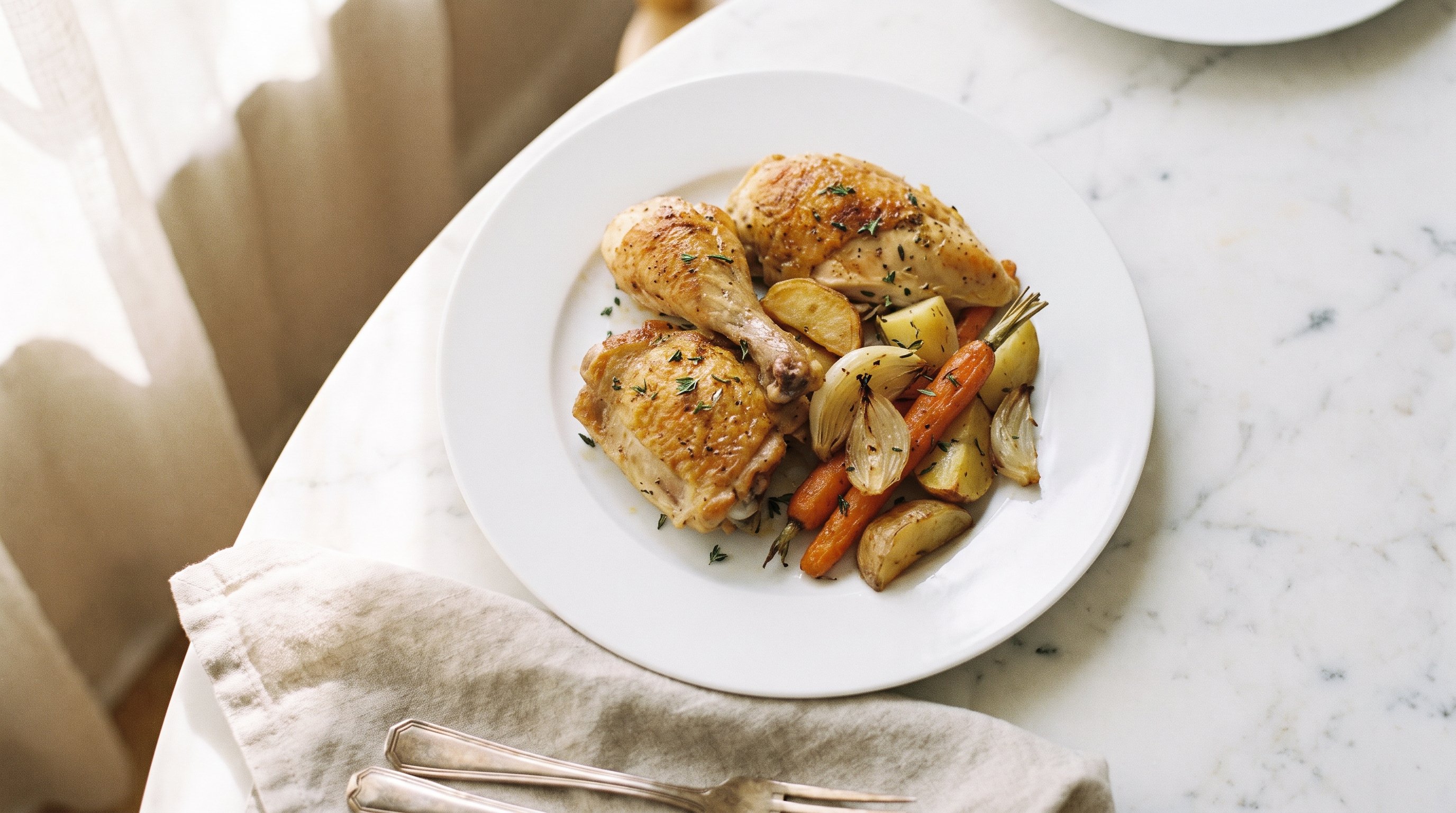
| Monday | Air fried chicken, rice, greens |
| Tuesday | Same chicken, swapped sauce |
| Wednesday | Air fried salmon, roast veg |
| Thursday | Salmon, swapped grain base |
| Friday | Leftover mix, fresh salad added |
Two proteins, two bases, a rotating sauce or side - that's enough variation to avoid boredom without doubling the cooking time.
Scheduling Prep Into Your Existing Weekly Routine
Most people don't have a free afternoon to dedicate to cooking, so prep has to slot into time that already exists.
Cooking while something else is happening - during a video call, while laundry runs, while dinner's already in the oven anyway - turns prep into an add-on rather than a separate task on the calendar.
A meal plan built around food you already like makes this easier, since there's no extra time spent deciding what to cook before the cooking even starts, and a recipe library is built around exactly that kind of simplicity.
What the First Few Weeks of Prepping Actually Feel Like
The first week or two of prepping usually feels slower than expected - working out portions, figuring out which containers fit the fridge, learning how long food actually keeps.
That friction is normal and it fades as the routine becomes familiar rather than something that needs figuring out from scratch each time.
Most people who stick with it find the prep session itself gets faster once the same few recipes get repeated, because there's no more recipe-hunting involved, just execution.
Mistakes That Quietly End a Meal Prep Habit
Prepping Five Days of the Same Meal
Identical meals every day get abandoned out of sheer boredom, not because the plan failed nutritionally. Swap one ingredient midweek - a different sauce, a different vegetable - to keep it edible by Thursday.
Skipping the Shopping List
Showing up to the shop without a list leads to missing ingredients and an improvised, less useful prep session. A short list written from the planned meals avoids the extra trip back out.

Underestimating Portions
Containers that leave someone hungry an hour later just get supplemented with extra snacks, which undoes a lot of the planning. Pack portions based on what actually fills someone up, not what looks tidy in the container.
Ignoring How Food Reheats
Some foods go soggy or rubbery after a few days in the fridge, and that alone can kill the appeal of the whole batch. Stick to meals that hold up well over several days, and keep anything delicate - like fresh greens - added just before eating.
Building a Weekly Prep Routine With Air Diet
Planning a full week of meals from scratch, every single week, is where most prep habits quietly fall apart.
Air Diet removes that planning step by offering a customized plan built from a library of over 1000 air fryer recipes, so the question each week isn't "what do I cook" but just "which of these do I pick".
Progress tracking for water, steps and weight sits in the same place as the meal plan, so prepping food and staying consistent with the rest of a routine don't need separate systems to manage.
Get Your Diet Plan
Eat Smarter Every Day
Making This Week's Prep Simpler Than Last Week's
The goal isn't a perfect prep session, it's one that's a little easier than the last one - fewer new decisions, fewer surprises, more repeats of what already worked.
Picking two or three meals, cooking them in one sitting, and portioning them out is enough to start; a recipe planning service can take over the meal selection from there so the only thing left to do each week is cook.
FAQ
Most people do well starting with four to five lunches or dinners, leaving a day or two flexible for leftovers or eating out. Prepping every single meal for seven days tends to feel like too much too soon.
Not if the base ingredients rotate - a different sauce, grain or vegetable keeps the same two proteins from feeling repetitive. Variety comes from small swaps, not from cooking five different recipes.
Prep doesn't need a dedicated block of hours - cooking while something else is already happening in the kitchen, like dinner in the oven, works just as well. Air Diet's recipe plans are built to fit around exactly that kind of limited time.
It varies by person, but the friction of figuring out portions and storage tends to ease once the same few meals get repeated a handful of times. Consistency matters more than speed in the early weeks.
Share this post