Leg Workout at Home: Fitting It Into a Real Week
By:Author:Air Diet Editorial
Updated on:October 20, 2026
- Can a Leg Workout at Home Really Build Strength?
- How Bodyweight Leg Exercises Actually Load the Muscle
- How Often Should You Train Legs at Home
- Why Home Training Beats Forcing a Gym Visit
- Making a Leg Workout at Home Fit a Busy Week
- No, Leg Exercises Won't Slim Just Your Thighs
- What Actually Moves the Needle on Leg Strength
- Where Home Leg Routines Quietly Go Wrong
- Building a Leg Workout at Home Around Air Diet
- Starting Your Own Living Room Leg Routine
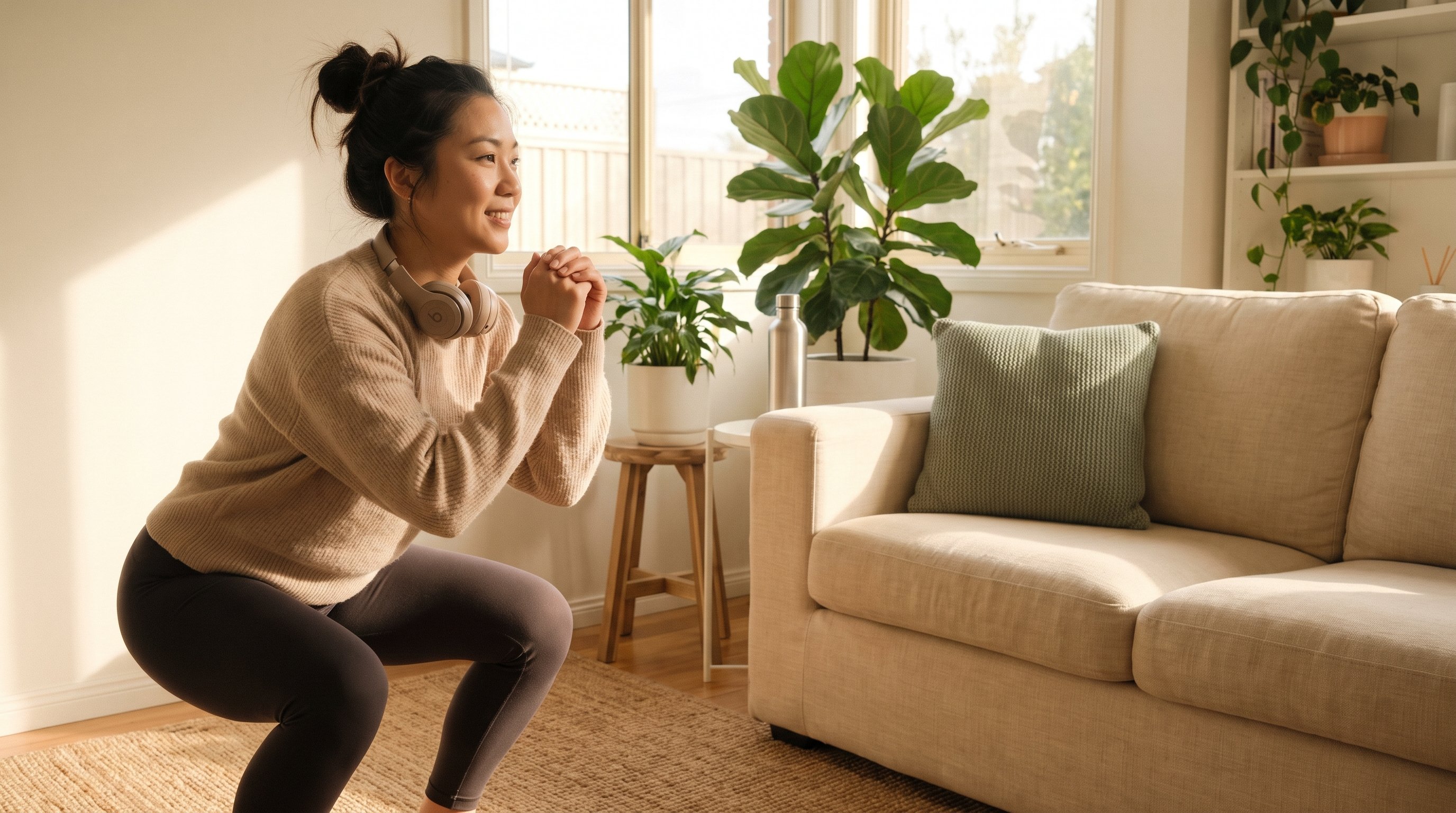
A leg workout at home works because your leg muscles respond to load and repetition, not to the postcode of the room you're standing in. Bodyweight squats, lunges and step-ups create enough resistance to challenge your thighs, glutes and calves without a single machine.
The mechanism is simple: push a muscle past what it's used to, give it recovery time, and it adapts by getting a bit stronger. A living room floor does that job just as well as a gym floor.
This guide covers what counts as enough, how to fit sessions into a week that's already busy, and where people usually lose the habit before it sticks.
Can a Leg Workout at Home Really Build Strength?
Yes, and the arithmetic behind it is straightforward. A bodyweight squat uses roughly your full body weight as resistance on the way down and up - for someone weighing 70kg, that's 70kg of load on the thighs and glutes on every rep, no barbell required.
Do three sets of 15 squats and you've asked your legs to move that load 45 times in one session. Add lunges and step-ups and the total workload for the session climbs further, which is exactly the kind of repeated effort muscles adapt to.
What home training can't do is add weight plates indefinitely, so progress eventually has to come from more reps, slower tempo, single-leg variations or shorter rest - not from a heavier bar, because there isn't one.
How Bodyweight Leg Exercises Actually Load the Muscle
Understanding why these moves work makes it easier to trust the process on days when it feels too simple.
Resistance Comes From Gravity and Angles
A squat, lunge or step-up all use your own body weight pulled down by gravity as the resistance - the deeper the knee bend or the higher the step, the more work the thigh and glute muscles have to do to control the movement.
Single-Leg Moves Double the Demand
Switching from a two-legged squat to a single-leg move like a split squat means one leg now supports the full load instead of sharing it, which is how home training keeps getting harder without any equipment at all.
Both principles mean the floor of a bedroom or a kitchen can deliver a real training stimulus, provided the exercises are chosen and sequenced with that in mind.
How Often Should You Train Legs at Home
Legs recover faster than most people expect, which means frequency matters more than any single brutal session.
Two to Three Sessions a Week Is Plenty
Training legs two to three times a week, with at least one rest day between sessions, gives the muscle time to repair and come back stronger before the next round.
Below is a simple weekly shape to work from, adjustable to your own schedule.
| Day | Suggested Focus |
|---|---|
| Monday | Squats and lunges |
| Tuesday | Rest or walking |
| Wednesday | Step-ups and glute bridges |
| Thursday | Rest or stretching |
| Friday | Full leg circuit |
Why Home Training Beats Forcing a Gym Visit
A leg workout at home and a leg day at a gym with a squat rack can both build strength, but only one of them survives a wet Tuesday, a late meeting or a tired toddler.
The gym route demands travel time, a membership, and showing up when the place is open - three extra steps that each give you a chance to skip the session entirely.
A floor and fifteen minutes removes two of those three barriers, and removing barriers is usually what decides whether a routine lasts a month or lasts a year.
Making a Leg Workout at Home Fit a Busy Week
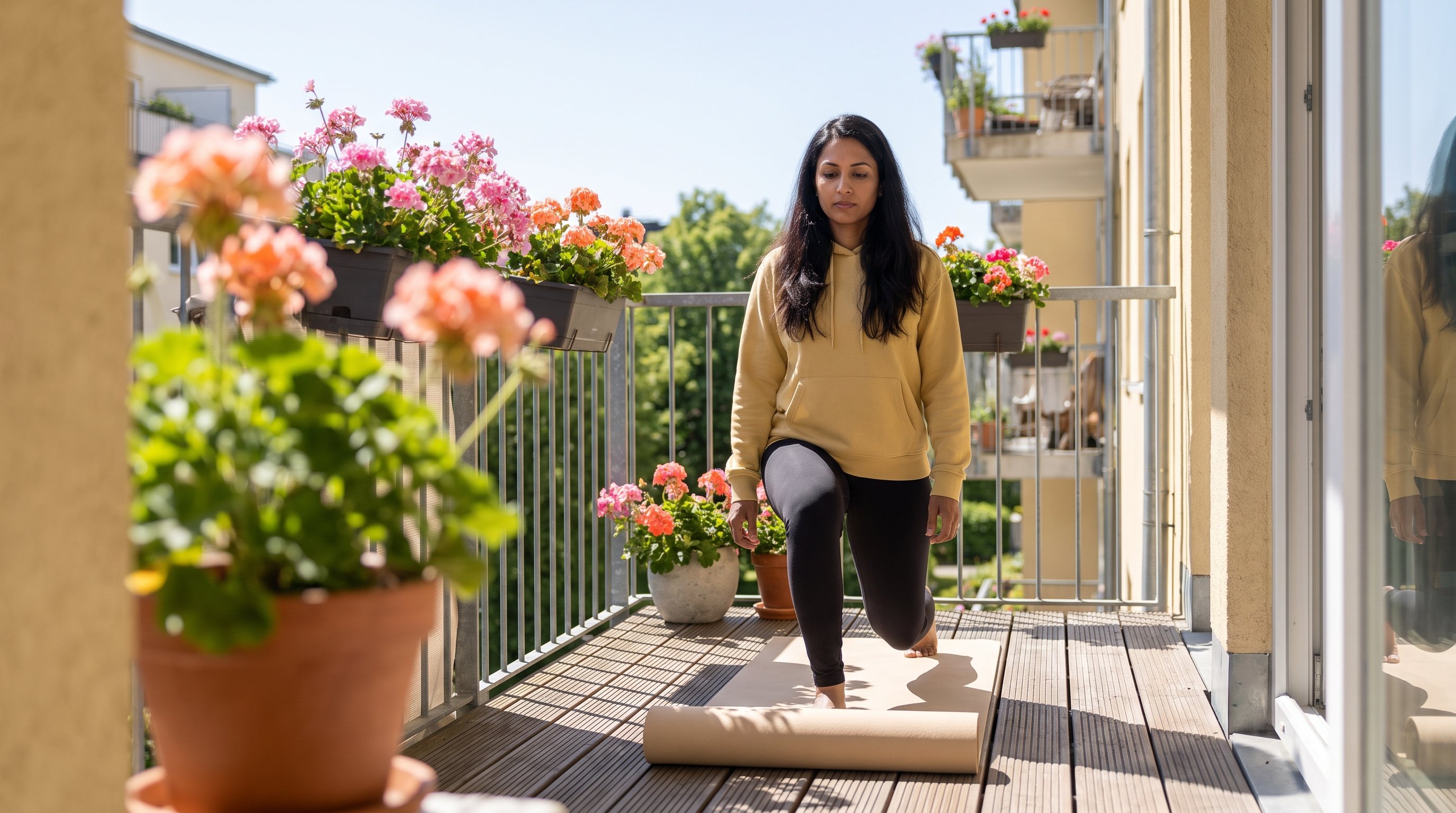
The sessions above take fifteen to twenty minutes, which fits before coffee, during a lunch break, or while something's in the oven.
What usually breaks it isn't the workout itself, it's remembering to do it and having nothing else pulling at your attention that day.
Air Diet keeps 100+ workouts and exercises, including simple leg routines, alongside step counters and water trackers in one place, so the session sits next to the rest of your day instead of being a separate thing to remember.
No, Leg Exercises Won't Slim Just Your Thighs
This one needs saying plainly: no exercise, home-based or otherwise, slims fat from one specific body part.
Where your body loses fat first is decided by genetics, not by which muscle you just trained, so squats build stronger legs but they don't choose to burn fat from your thighs specifically.
The honest version is this: consistent training plus a sustainable eating pattern changes your whole body over time, and leg exercises are one useful part of that, not a targeting tool.
What Actually Moves the Needle on Leg Strength
Three things decide whether a home leg routine pays off, and they matter in this order.
The Factors That Count Most
- Consistency over weeks - two or three short sessions every week beats one long session that only happens occasionally.
- Gradual progression - adding reps, slowing the tempo, or moving to single-leg variations keeps the challenge alive once bodyweight alone feels easy.
- Recovery between sessions - a rest day lets the muscle rebuild, which is part of how it gets stronger, not a day wasted.
Where Home Leg Routines Quietly Go Wrong
Skipping the Warm-Up
Jumping straight into squats with cold muscles makes the first set feel harder than it should - two minutes of marching on the spot or gentle leg swings fixes this.
Never Changing the Exercises
Doing the exact same three moves for months stalls progress because the muscle has nothing new to adapt to - swapping in lunges, step-ups or single-leg work every few weeks keeps things moving.
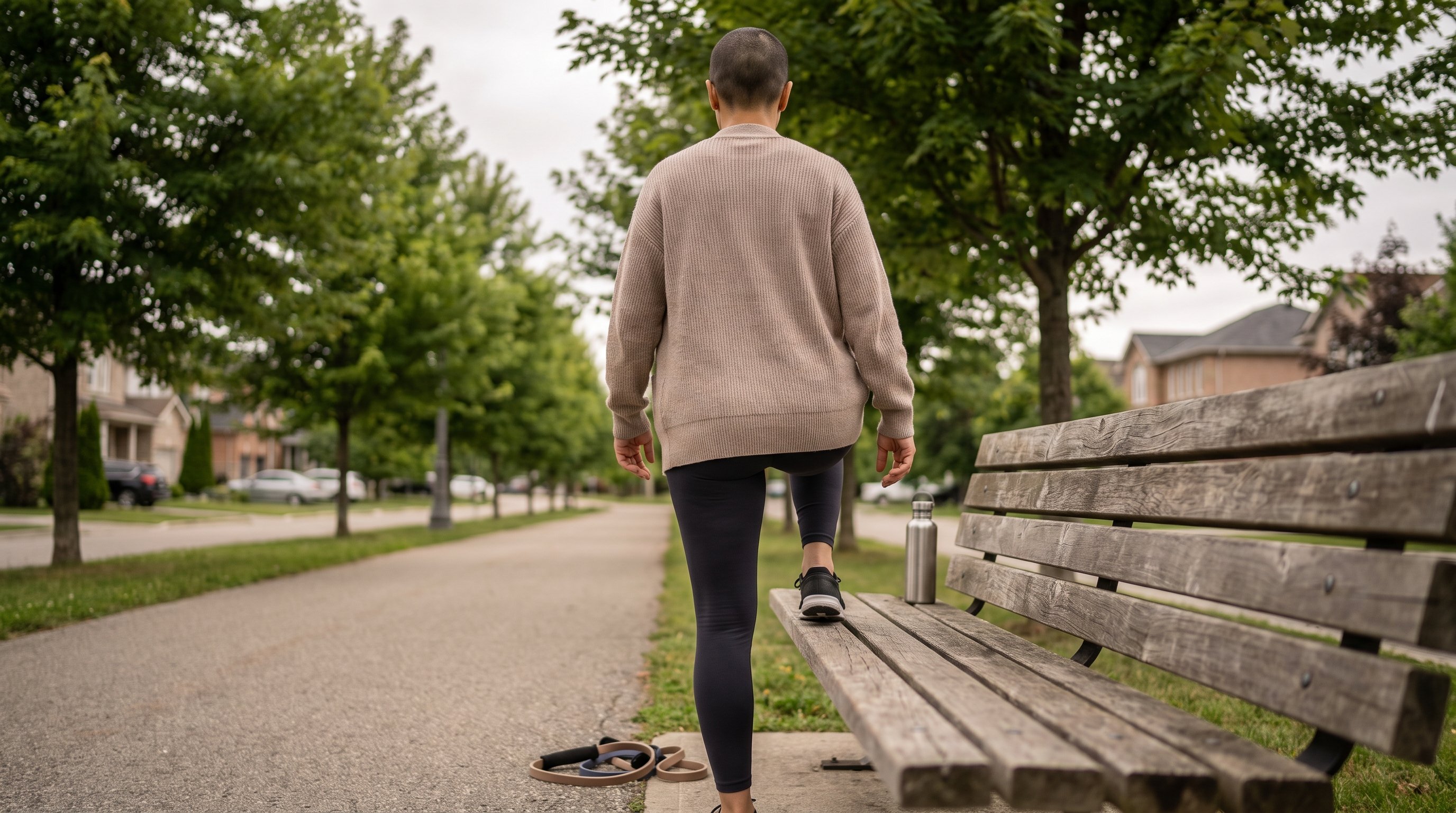
Training Legs Every Single Day
More isn't automatically better - legs need at least a day off between sessions to actually repair, so daily training can leave you tired without extra strength to show for it.
Rushing Through the Reps
Fast, bouncy squats let momentum do the work instead of the muscle - slowing down each rep keeps the tension where it belongs.
Building a Leg Workout at Home Around Air Diet
A leg workout is only one slice of a week that also includes meals, water, sleep and whatever else is going on.
Air Diet brings those pieces together: a customized plan built around over 1000 air fryer recipes, simple workouts including leg-focused routines, and progress tracking for steps, water and weight so you can see the week as a whole rather than one isolated session.
There are also lifestyle challenges and nutrition guides inside the app, which give the leg workout some company instead of leaving it to survive on willpower alone.
Get Your Diet Plan
Eat Smarter Every Day
Starting Your Own Living Room Leg Routine
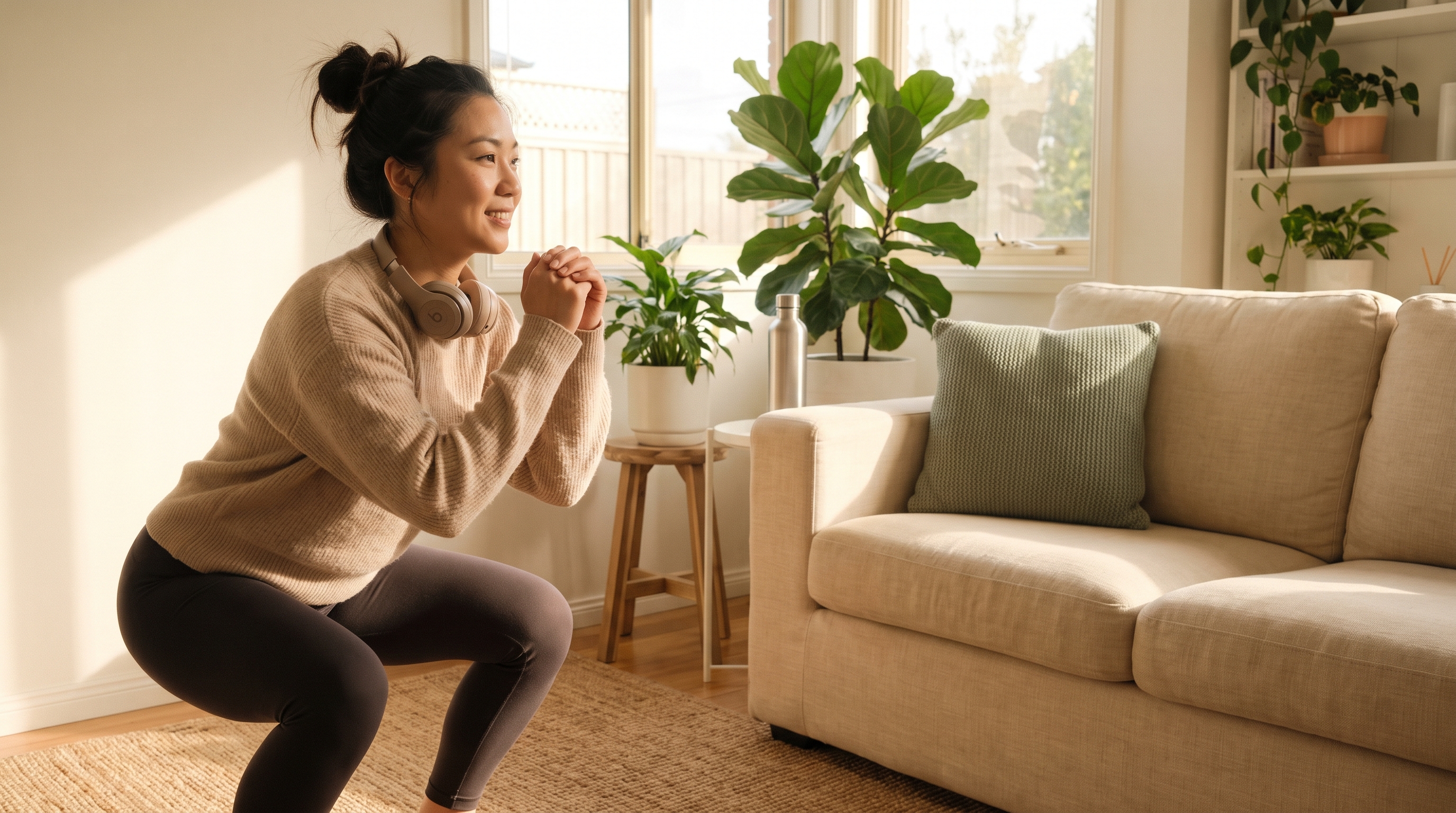
Pick one day this week, clear a small patch of floor, and run through squats, lunges and step-ups for fifteen minutes - that's the whole starting point.
Air Diet can hold the routine alongside your meals and water intake so the next session is easier to remember than the last one.
FAQ
No, bodyweight squats, lunges and step-ups use your own weight as resistance and need nothing beyond a bit of floor space. A sturdy step or low chair helps with step-ups but isn't essential.
Bodyweight training builds real strength because the muscle is still being loaded past what it's used to, which is the mechanism that matters. The ceiling is lower than loaded barbell work, but for most people that ceiling is far beyond where they currently are.
A shorter circuit of squats and lunges still counts and still gives the muscle a stimulus to adapt to. Doing ten minutes consistently beats skipping the day because twenty minutes wasn't available.
Attach the session to something already fixed in your day, like right after breakfast or before a shower, so it doesn't rely on motivation. Air Diet keeps leg workouts, water and step tracking in one place, which makes it easier to see the pattern building instead of losing track of it.
Share this post